Introduction
There is nothing quite like the smell of bacon cooking in the kitchen in the morning! Crispy, smoky, salty, and full of flavor, bacon is one of those classic breakfast foods that can make an ordinary meal feel special. Whether served alongside fluffy scrambled eggs, buttery toast, pancakes, or homemade biscuits, perfectly cooked bacon is always a welcome addition to the table.
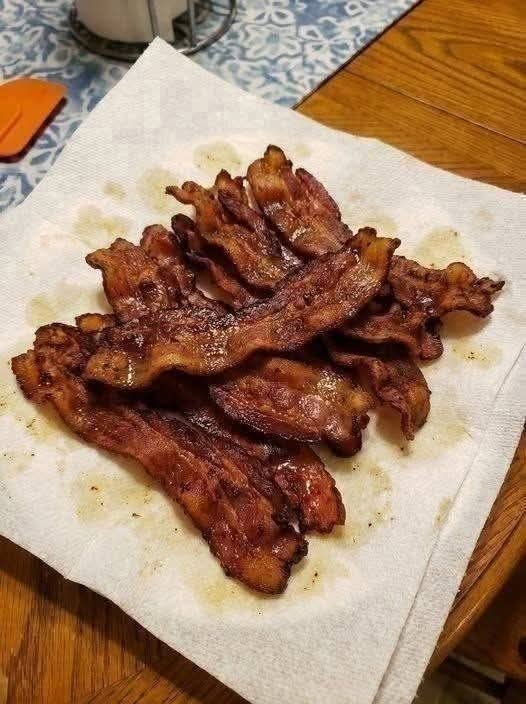
But here is the big question: Do you consider this bacon burnt? Sometimes bacon becomes dark, crunchy, and deeply caramelized, leaving everyone at the table with a different opinion. Some people love their bacon golden and slightly chewy, while others prefer it extra crispy with dark edges.
The secret to delicious bacon is understanding how the fat renders, how the meat browns, and when to remove it from the heat. This oven-baked bacon recipe helps you achieve evenly cooked strips with crispy edges and a rich smoky flavor. Best of all, cooking bacon in the oven makes it easier to prepare a batch for the whole family without standing over a hot frying pan.
Ingredients
Preparation: 5 minutes · Cooking: 15–25 minutes · Servings: 4–6
- 1 pound thick-cut or regular sliced bacon
- 1/2 teaspoon freshly ground black pepper (optional)
- 1/2 teaspoon smoked paprika (optional, for extra smoky flavor)
- A pinch of brown sugar (optional, for a slightly sweet glaze)
- Aluminum foil or parchment paper for lining the baking sheet
- A wire rack that fits inside the baking sheet (optional)
Important: Bacon does not need additional oil because it naturally releases fat as it cooks.
Instructions
Step 1: Preheat the oven
Preheat your oven to 400°F (200°C). This temperature allows the bacon fat to render gradually while the meat becomes browned and crispy.
Line a rimmed baking sheet with aluminum foil or parchment paper to make cleanup easier. If you prefer bacon that cooks with less contact with its rendered fat, place an oven-safe wire rack on top of the baking sheet.
Step 2: Arrange the bacon
Lay the bacon strips in a single layer on the prepared baking sheet. Make sure the pieces do not overlap, because overlapping bacon tends to cook unevenly.
If you are preparing a large batch, use two baking sheets rather than crowding all the strips together.
Step 3: Add your favorite seasoning
For classic bacon, leave the strips plain. If you enjoy extra flavor, sprinkle a little black pepper over them.
For a smoky variation, add a small pinch of smoked paprika. If you prefer sweet-and-savory bacon, lightly sprinkle brown sugar over the strips, keeping a close eye on them because sugar can darken quickly.
Step 4: Bake until crispy
Place the baking sheet in the preheated oven and bake for approximately 15–25 minutes, depending on the thickness of the bacon and your preferred texture.
- Soft and chewy: Begin checking around 12–15 minutes.
- Golden and crispy: Check around 15–20 minutes.
- Extra crispy: It may need 20–25 minutes or longer, depending on the bacon.
Watch the bacon closely toward the end of cooking. The difference between deeply browned bacon and burnt bacon can be just a minute or two.
Step 5: Turn the bacon if necessary
Bacon usually cooks well without flipping in the oven. However, if your oven has hot spots or you are not using a wire rack, you can turn the strips halfway through cooking for more even browning.
Step 6: Drain and rest
Remove the bacon from the oven once it reaches your desired texture. Transfer the strips to a plate lined with paper towels to absorb excess grease.
Allow the bacon to rest for a minute or two. It will often become a little crispier as it cools.
Step 7: Serve and enjoy
Serve your freshly cooked bacon with eggs, toast, pancakes, waffles, breakfast potatoes, or your favorite brunch dishes.
Remember that bacon continues to darken slightly as it loses moisture, so remove it from the oven before it reaches a shade darker than you actually want.
Methods for Perfect Bacon
1. The oven-baking method
Oven baking is ideal for cooking several strips at once. The heat surrounds the bacon, helping it brown evenly, and the rimmed baking sheet catches the rendered fat.
This method is particularly useful for family breakfasts, weekend brunches, and holiday gatherings.
2. The skillet method
Place bacon strips in a cold skillet and turn the heat to medium or medium-low. Cook slowly, turning occasionally, until the fat renders and the strips reach your desired crispness.
This method gives you close control over the bacon, making it easier to remove individual pieces as they finish cooking.
3. The air-fryer method
Arrange bacon in a single layer in the air-fryer basket, leaving space for hot air to circulate. Cook at approximately 350°F (175°C), checking frequently after the first several minutes.
Cooking time varies with the appliance and bacon thickness. Avoid overcrowding, and follow the manufacturer’s instructions for handling rendered grease.
The History of Bacon
Bacon has a long culinary history that stretches back thousands of years. Ancient civilizations developed methods of preserving pork through salting, drying, and smoking. These techniques helped meat last longer before modern refrigeration became available.
Over time, cured pork became a staple in many European cuisines. In Britain and other parts of Europe, bacon developed into a familiar breakfast food, while in the United States it became a popular companion to eggs, pancakes, sandwiches, and hearty family meals.
Today, bacon is prepared in countless ways. Some cooks prefer thick-cut slices with a tender center, while others enjoy thin strips cooked until they are crisp throughout. Oven-baked bacon has become especially popular because it is convenient, produces less stovetop mess, and makes preparing large batches much easier.
Formation: What Makes Bacon Crispy?
The transformation of bacon from soft, pink strips into a browned, crunchy favorite comes down to heat, moisture, and fat.
As bacon cooks, its fat gradually melts and escapes from the meat. Water evaporates, and the surface becomes drier, allowing browning reactions to develop. These reactions create many of the savory aromas and flavors associated with cooked bacon.
The longer bacon cooks, the more moisture it loses and the crispier it generally becomes. However, excessive heat or prolonged cooking can cause the meat to become bitter, excessively dark, or charred.
So, is dark bacon burnt?
Not necessarily! Dark brown edges can be a sign of extra-crispy bacon. But blackened patches, an acrid smell, or a bitter, ashy taste are stronger signs that the bacon has burned.
The color alone does not tell the whole story. Different brands, curing methods, sugar content, and slice thickness can all affect how bacon browns.
Tips for the Best Results
- Start checking early. Thin bacon can become overcooked surprisingly quickly.
- Use a rimmed baking sheet to contain the hot grease.
- Avoid cooking at excessively high temperatures just to make the bacon crisp faster.
- Remember that sugar-cured bacon browns more quickly than bacon without added sugar.
- Use kitchen tongs to handle hot strips safely.
- Never pour bacon grease down the drain. Let it cool and dispose of it in a suitable container.
- For food safety, cook bacon thoroughly according to its packaging instructions and avoid eating heavily charred portions.
Delicious Ways to Serve Bacon

1. Classic bacon and eggs
Pair crispy bacon with fried or scrambled eggs, buttered toast, and a cup of coffee for a timeless breakfast.

2. Bacon, lettuce, and tomato sandwich
Layer bacon with lettuce and sliced tomato between toasted bread with mayonnaise for a crunchy, savory lunch.

3. Bacon with pancakes
Serve bacon beside fluffy pancakes with maple syrup for the perfect combination of sweet and salty flavors.

4. Bacon and cheese breakfast casserole
Chop cooked bacon and combine it with eggs, shredded cheese, and bread or potatoes for a hearty oven-baked breakfast.
Conclusion
Bacon is one of those simple foods that can inspire surprisingly strong opinions around the breakfast table. One person wants it tender and chewy, another wants it golden brown, and someone else insists that the darker and crunchier it gets, the better it tastes!
The secret is to cook bacon according to your own preference while keeping a close eye on the oven. With the right temperature, a little patience, and careful timing, you can prepare a batch that is crisp, flavorful, and enjoyable.
And as for the family debate about burnt bacon? If the strips are dark brown, crispy, and pleasantly smoky without a bitter or ashy flavor, they may simply be extra crispy rather than burnt.
For the Bacon Lovers 🥓❤️
This recipe is for everyone who loves the sound of bacon sizzling, the smell filling the kitchen, and that first crunchy bite at breakfast.
Some families prefer soft bacon, some love it crispy, and others are firmly on team extra-crispy. There is no need for everyone to agree—as long as the bacon is cooked safely and tastes good to the people eating it!
Now tell us: What do you think about this bacon?
- A. Perfectly crispy!
- B. A little too dark, but still delicious.
- C. Definitely burnt!
- D. I like my bacon soft and chewy.
Share your opinion and settle the great bacon debate!