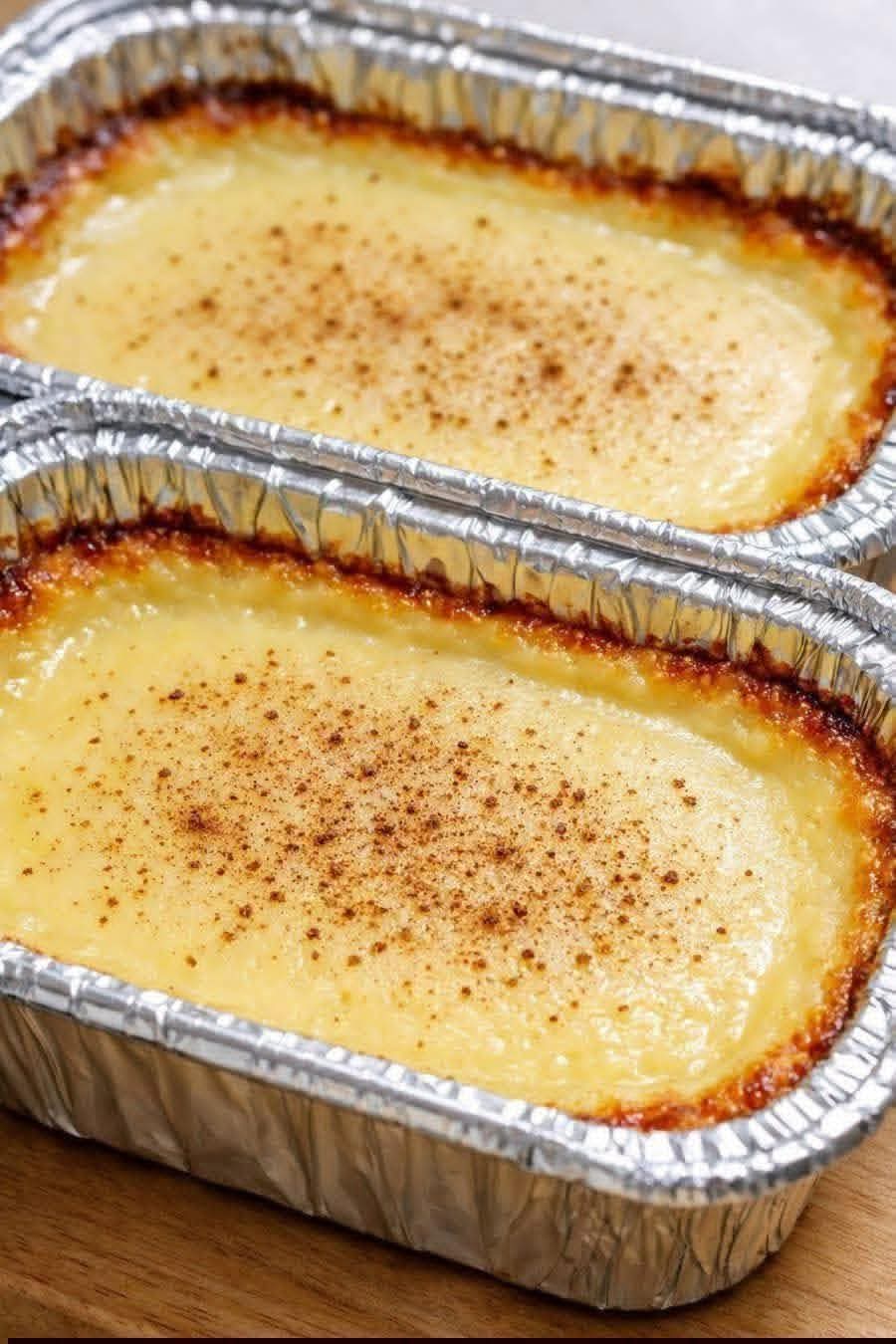
🌽 OLD-FASHIONED SOUTHERN CORNBREAD — YAY OR NAY? 🌽
Drop your vote! YAY or NAY? ❤️
And if you’re a cornbread lover, this golden, crispy-edged, tender-centered classic deserves a place on your table.
❤️ INTRODUCTION
There are some recipes that don’t need fancy ingredients or complicated techniques. Old-fashioned Southern cornbread is one of them.
Golden around the edges, tender in the middle, lightly crisp on the outside, and wonderfully buttery, this is the kind of cornbread that feels like home. It’s perfect alongside beans, chili, soup, greens, barbecue, fried chicken, or a big bowl of hearty stew.
The secret to getting that beautiful crust is simple: a hot cast-iron skillet and a properly heated oven.
Whether you grew up eating cornbread at Sunday supper or are making it for the first time, this recipe is easy, comforting, and wonderfully old-fashioned.
🛒 INGREDIENTS
For the cornbread:
- 2 cups yellow cornmeal
- 1/2 cup all-purpose flour
- 1 tablespoon baking powder
- 1/2 teaspoon baking soda
- 1 teaspoon salt
- 2 large eggs
- 1 3/4 cups buttermilk
- 1/4 cup melted butter
- 2 tablespoons bacon grease, melted, or additional butter
- 1 tablespoon honey, optional
- 1 tablespoon sugar, optional depending on your preferred Southern style
For the skillet:
- 1 tablespoon butter or bacon grease
🍳 INSTRUCTIONS
STEP 1 — PREHEAT THE OVEN
Place a 10-inch cast-iron skillet in the oven.
Preheat the oven to 425°F (220°C) and allow the skillet to become thoroughly hot.
A hot skillet is one of the keys to creating those irresistible crispy edges.
STEP 2 — MIX THE DRY INGREDIENTS
In a large mixing bowl, combine:
- Cornmeal
- Flour
- Baking powder
- Baking soda
- Salt
Whisk everything together until evenly distributed.
STEP 3 — PREPARE THE WET INGREDIENTS
In another bowl, whisk together the eggs and buttermilk.
Add the melted butter and bacon grease.
If you prefer a slightly sweeter cornbread, stir in the optional honey or sugar.
STEP 4 — COMBINE
Slowly pour the wet mixture into the dry ingredients.
Stir gently until just combined.
Do not overmix.
A few small lumps are perfectly fine. Overmixing can make the finished cornbread tougher instead of tender.
STEP 5 — HEAT THE SKILLET
Carefully remove the hot cast-iron skillet from the oven.
Add the tablespoon of butter or bacon grease and carefully swirl it around the bottom and sides.
It should melt immediately and coat the pan.
STEP 6 — POUR THE BATTER
Carefully pour the cornbread batter into the hot skillet.
You should hear a gentle sizzle as the batter meets the hot fat.
That sizzle is exactly what you want.
STEP 7 — BAKE
Return the skillet to the oven.
Bake for approximately 18–23 minutes, or until:
- The top is beautifully golden
- The edges are crisp
- The center is set
- A toothpick inserted into the middle comes out mostly clean
For an extra golden top, you can brush the finished cornbread with a little melted butter.
STEP 8 — REST AND SERVE
Let the cornbread rest for about 5–10 minutes before slicing.
Cut into wedges and serve warm.
For the ultimate old-fashioned experience, add a little butter while it’s still warm. 🧈
🌽 THE METHOD
The traditional method is all about simplicity and heat.
First, combine the dry ingredients. Separately mix the buttermilk, eggs, and melted fat. Bring the two mixtures together gently, being careful not to overwork the batter.
Meanwhile, the cast-iron skillet is heating in the oven.
Once the pan is hot, butter or bacon grease is added before the batter goes in. The immediate contact between the hot skillet and batter helps create that characteristic crisp, browned Southern crust.
Then the cornbread goes straight into the oven until golden and cooked through.
It’s simple cooking, but the little details make a big difference.
🕰️ A LITTLE HISTORY
Cornbread has deep roots in American cooking because corn was an important and practical staple for generations.
Cornmeal was inexpensive, versatile, and easy to store. Indigenous peoples of North America had long-established traditions of preparing foods from ground corn, and European settlers adopted and adapted many corn-based cooking techniques.
Over generations, cornbread developed into countless regional styles.
Southern versions are particularly associated with cornmeal, buttermilk, cast-iron skillets, and savory cooking traditions. Some families prefer their cornbread completely savory, while others add a little sugar or honey.
That’s part of the beauty of cornbread: every family seems to have its own version.
👵 THE OLD-FASHIONED FORMATION
Traditional cornbread isn’t supposed to feel complicated.
It starts with humble pantry ingredients:
Cornmeal + buttermilk + eggs + fat + heat = something special.
The batter comes together quickly, but the transformation in the oven is where the magic happens.
The outside becomes golden and crisp while the inside remains soft and tender.
And when that warm slice is split open and covered with butter, you have one of those simple foods that can instantly bring back memories of family dinners, Sunday meals, country kitchens, and big tables filled with people.
❤️ FOR CORNBREAD LOVERS
If you’re a true cornbread lover, there are so many ways to enjoy it.
Serve it with:
🥣 Chili
🥘 Beef stew
🫘 Pinto beans
🥬 Collard greens
🍗 Fried chicken
🍖 Barbecue
🥔 Potato soup
🍲 Vegetable soup
🌶️ Southern-style beans
🍯 Butter and honey
You can also crumble leftover cornbread over chili or beans, or use it to make a delicious cornbread dressing.
⭐ TIPS FOR PERFECT CORNBREAD
1. Use a hot skillet.
This is one of the best tricks for getting crispy edges.
2. Don’t overmix.
Stir just until the ingredients come together.
3. Use real buttermilk if possible.
It gives the cornbread a pleasant tang and tender texture.
4. Don’t skimp on the skillet fat.
Butter or bacon grease helps create that beautiful crust.
5. Don’t cut it immediately.
Give it several minutes to settle after baking.
6. Adjust the sweetness to your family.
Some Southern families love savory cornbread, while others enjoy a touch of sweetness.
7. Cast iron makes a difference.
A well-seasoned skillet gives wonderful browning and crisp edges.
🧈 SERVING METHOD
For the classic serving method, place a warm wedge of cornbread on a plate and add a generous pat of butter.
Let it melt into the warm crumb.
For a sweeter treat, drizzle a little honey over the top.
For a savory meal, serve it alongside beans, greens, soup, chili, or barbecue.
There really isn’t a wrong way to eat warm cornbread.
❄️ STORAGE
Allow leftover cornbread to cool completely.
Store it in an airtight container at room temperature for about 1–2 days, or refrigerate it for several days.
To warm it back up, place individual pieces in the oven until heated through. A little butter on top before reheating helps restore some of that fresh-baked richness.
Cornbread can also be frozen. Wrap individual pieces well and freeze for longer storage. Thaw and warm before serving.
❤️ WHY WE LOVE IT
We love old-fashioned cornbread because it proves that great food doesn’t have to be complicated.
There are no fancy ingredients.
No complicated decorating.
No long preparation.
Just good cornmeal, creamy buttermilk, eggs, butter or bacon grease, and a hot skillet.
And somehow, when it comes out of the oven golden and fragrant, it feels like much more than a simple side dish.
It feels like home.
🌽 CONCLUSION
Old-fashioned Southern cornbread is the kind of recipe worth keeping.
It’s humble, inexpensive, comforting, and endlessly useful. Make it for a family dinner, Sunday supper, holiday gathering, neighborhood potluck, or simply because you have a craving for something warm and homemade.
And don’t be surprised if everyone reaches for another piece.
Sometimes the oldest recipes are the ones we never stop loving. ❤️
🌽 SO TELL ME…
OLD-FASHIONED SOUTHERN CORNBREAD — YAY OR NAY?
👍 YAY — crispy edges and a buttery center!
👎 NAY — I’ll pass!
And if you’re a cornbread lover, save this recipe for the next comfort-food dinner. ❤️🌽