Homemade Butter Recipe
Introduction
Butter is one of the oldest and most beloved dairy products in the world. Made by churning cream until the fat separates from the liquid, butter has been enjoyed for thousands of years in kitchens across Europe, Asia, Africa, and the Middle East. Its rich flavor, creamy texture, and versatility make it an essential ingredient in baking, cooking, and spreading on fresh bread.
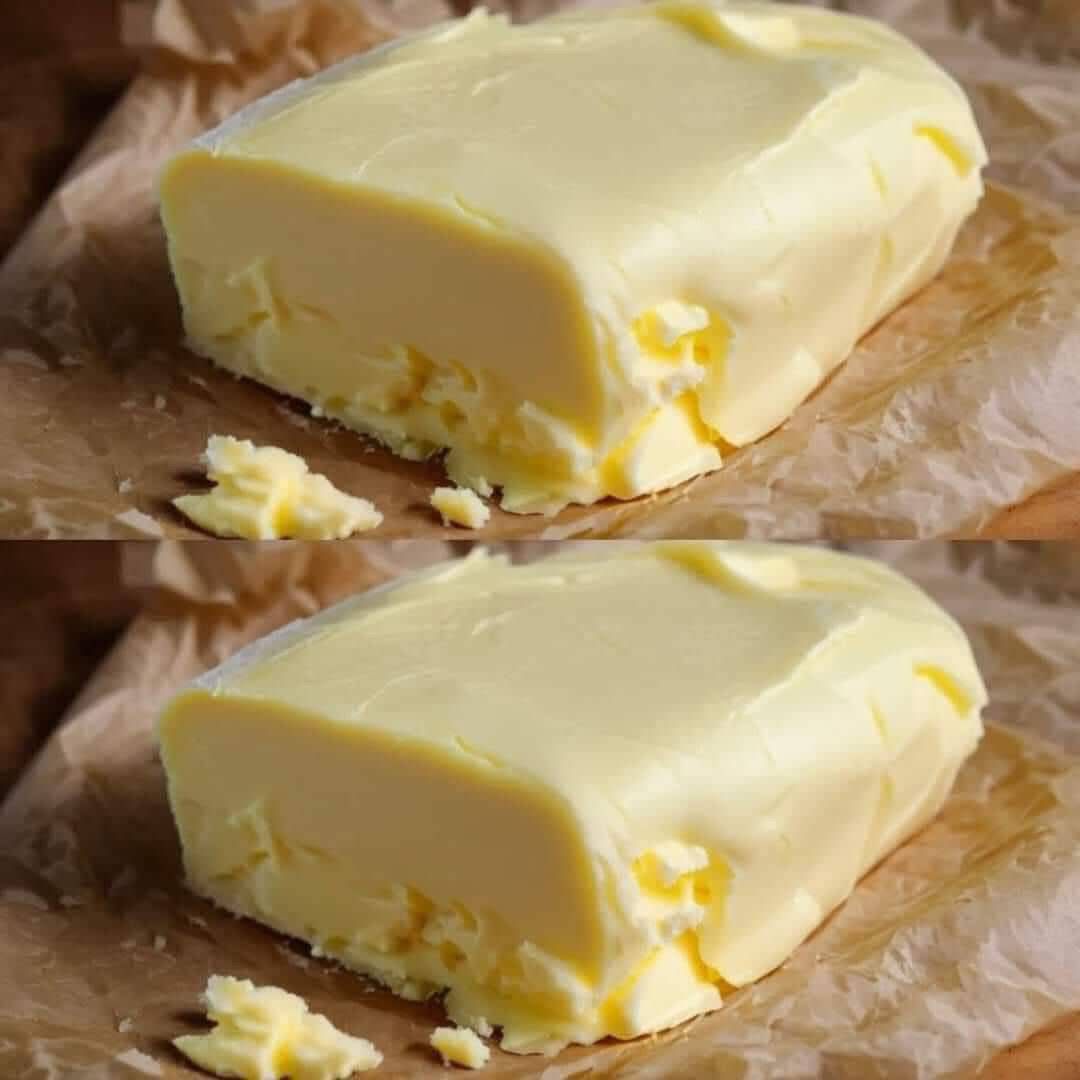
The butter shown in the image is a beautiful block of creamy homemade butter with a smooth texture and a natural golden color. Homemade butter is fresher, richer, and often more flavorful than store-bought varieties.
History of Butter
Butter has a fascinating history dating back over 4,000 years. Historians believe that ancient nomadic tribes accidentally discovered butter while transporting milk in animal-skin containers. As the milk was shaken during travel, the cream separated and transformed into butter.
Over time, butter became a staple food in many cultures:
- Ancient Egyptians used butter in cooking.
- Vikings carried butter during long sea voyages.
- European farmers produced butter as a valuable trade commodity.
- Today, butter remains one of the world’s most popular dairy products.
Ingredients
For Basic Homemade Butter
- 2 cups (500 ml) heavy cream (35–40% fat)
- ½ teaspoon salt (optional)
- Ice water for washing
Optional Flavor Additions
- Garlic powder
- Fresh herbs
- Honey
- Cinnamon
- Black pepper
- Lemon zest
Equipment Needed
- Stand mixer, hand mixer, or food processor
- Mixing bowl
- Fine mesh strainer
- Wooden spoon or spatula
- Storage container
Method 1: Mixer Method
Step 1: Prepare the Cream
Pour the heavy cream into a large mixing bowl. Allow it to reach room temperature for approximately 15–20 minutes.
Step 2: Whip the Cream
Beat the cream on medium speed.
Stages:
- Liquid cream
- Soft whipped cream
- Stiff whipped cream
- Grainy texture
- Butter separates from buttermilk
This process usually takes 8–12 minutes.
Step 3: Separate the Buttermilk
Once the butter clumps together, strain the liquid (buttermilk) into a separate container.
Do not discard it. It can be used for:
- Pancakes
- Biscuits
- Cakes
- Bread
Step 4: Wash the Butter
Place the butter into a bowl of ice water.
Press and knead the butter to remove any remaining buttermilk.
Repeat several times until the water remains clear.
Step 5: Add Salt
Mix in salt if desired.
Step 6: Shape the Butter
Form the butter into a block, roll, or decorative mold.
Method 2: Jar-Shaking Method
Perfect for children and beginners.
- Fill a jar halfway with heavy cream.
- Seal tightly.
- Shake vigorously for 10–20 minutes.
- The cream will first become whipped cream.
- Continue shaking until butter forms.
- Strain and wash the butter.
- Add salt if desired.
Method 3: Food Processor Method
- Pour cream into the processor.
- Blend continuously.
- Watch as butter solids separate.
- Strain off the buttermilk.
- Wash thoroughly.
- Shape and chill.
Formation Process of Butter
Butter forms when cream is agitated.
The churning process:
- Breaks the membranes surrounding fat globules.
- Causes fat particles to stick together.
- Separates fat from liquid.
- Creates a solid butter mass.
The liquid left behind is known as buttermilk.
Nutritional Information
Per tablespoon (14 g):
- Calories: 100
- Fat: 11 g
- Protein: 0.1 g
- Carbohydrates: 0 g
- Vitamin A: High
- Calcium: Small amount
Types of Butter
Salted Butter
Excellent for spreading on bread.
Unsalted Butter
Preferred for baking.
Cultured Butter
Made from fermented cream for a tangy flavor.
Compound Butter
Mixed with herbs, spices, or garlic.
Honey Butter
Sweet and creamy for breakfast dishes.
Lovers of Butter
Butter is loved by:
- Bakers for cakes and pastries.
- Chefs for sauces and cooking.
- Bread lovers for rich spreads.
- Food enthusiasts who appreciate traditional dairy products.
- Families who enjoy homemade comfort foods.
Popular pairings include:
- Fresh bread
- Croissants
- Pancakes
- Waffles
- Baked potatoes
- Grilled vegetables
Storage Methods
Refrigerator
Store for up to 2 weeks in an airtight container.
Freezer
Store for up to 6 months.
Butter Crock
Traditional method that helps keep butter soft and spreadable.
Serving Suggestions
- Spread on warm bread.
- Melt over vegetables.
- Use in cookies and cakes.
- Stir into mashed potatoes.
- Finish steaks with a pat of butter.
Conclusion
Homemade butter is simple, delicious, and rewarding to make. With just one ingredient—heavy cream—you can create a rich, creamy butter that surpasses many commercial versions. Whether enjoyed on fresh bread, used in baking, or flavored with herbs and spices, homemade butter brings traditional craftsmanship and incredible taste to every meal. Its long history, straightforward preparation, and endless culinary uses make it a timeless favorite for food lovers around the world.